









Fault follow-up, scheduled maintenance and handover
Inventory equipment and permissions, arrange fault handling, updates and routine checks, and record issues, outcomes and follow-up actions.
Inventory before takeover
Review computers or servers, key software, maintenance status and administrators, identifying existing issues affecting work.
Delivery essentialsEquipment inventory, responsibilities and outstanding issuesDaily issue follow-up
Record faults by impact, arrange remote or on-site support, and distinguish equipment, software and external-provider responsibilities.
Delivery essentialsIssue records, outcomes and next stepsUpdates and ongoing organisation
Arrange update checks, account changes and equipment reviews as agreed. Confirm backups and rollback before important changes.
Delivery essentialsChange records, inspection results and handover information
Contract and support essentials
- Which devices, locations and users the service covers.
- Service hours, response methods and urgent-issue contacts.
- Arrangements for on-site work, parts, licences and third-party charges.
Service hours, response and resolution targets, site visits and check frequency are specified in the contract. Hardware replacement, data recovery and vendor repairs depend on the circumstances.
Maintenance work
- Server hardware inspection and replacement within the maintenance scope
- Operating-system log reviews
- Data backup and recovery
- Internal and external network security checks
- Performance and system-process tuning
- Assessment of Hyper-V / VMware upgrades against supported versions
Health alerts and follow-up
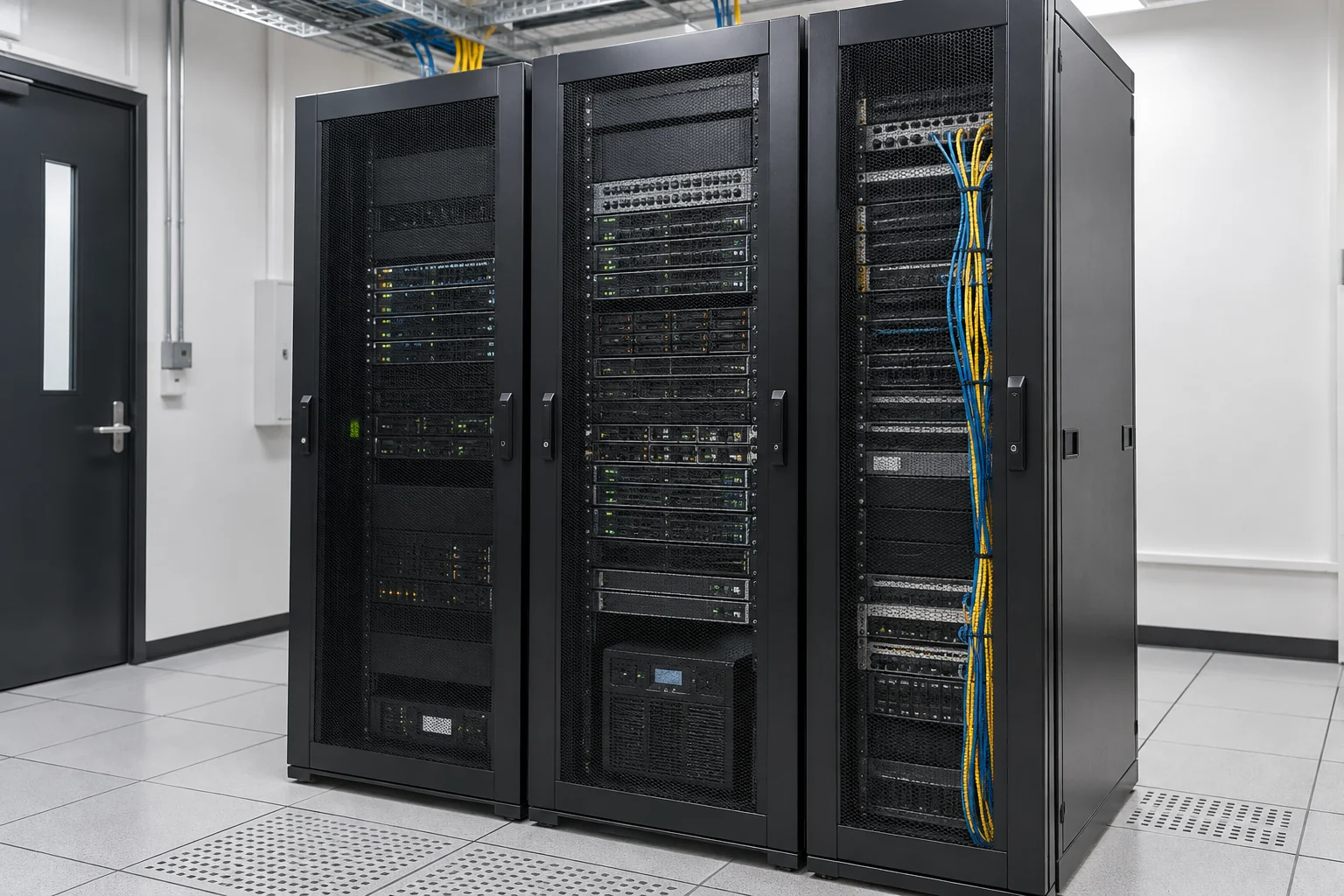
Management tools and engineering experience help track server conditions. Confirm email, SMS or other notifications within the solution. Review causes, business impact and spare parts before arranging follow-up.
Environment and maintenance
Equipment placement, cooling and cleaning complement system maintenance. Recovery times, hardware replacement and staffed service hours follow the contract and test results.
Use server health checks to guide maintenance decisions
Combine hardware checks, logs, backups and recovery tests, prioritising abnormalities by severity. Specify recipients, review and replacement procedures for health alerts. Test compatibility and prepare rollback before upgrades. Regular reports show completed work and outstanding risks to inform repair, expansion or replacement budgets.
Information and references
Suitability and enquiry preparation
When is this service suitable?
Common needs
- Business applications or shared files need clearer server management.
- Ageing servers are unreliable or under-resourced, prompting replacement, rental or maintenance assessment.
- You need clear responsibility for faults, updates and data backups.
Which service do I need?
- Server maintenance
Review the health and maintenance needs of existing servers.
- Dedicated server rental
Assess dedicated resources and management arrangements.
- Business data backup
Discuss backup and recovery for important systems.
Prepare for an enquiry
- Main purposes of servers and applications.
- Existing equipment count, system versions and users.
- Current issues and preferred replacement or maintenance timing.
For an initial enquiry, describe the issue and equipment only. Do not submit passwords or verification codes. The team will arrange a secure channel for sensitive documents and incident records.
Enquire about server maintenanceCybersecurity and AI useExplore security planning, responsibilities and acceptance considerations
Cybersecurity · Safe AI use
Servers and virtualisation: security planning priorities
「Server maintenance」 includes the following security priorities; measures, tests and deliverables are specified in the proposal.
- Baseline configurationConfirm server purposes, operating systems and virtualisation versions, then discuss updates, enabled services and configuration baselines.
- Access managementSeparate user, service and administrator accounts, planning management networks, permissions and operation logs as required.
- Availability and recoveryClarify capacity, health alerts, backups and recovery responsibilities, with acceptance and maintenance windows suited to business needs.
AI considerationsFor servers running AI workloads or automated agents, verify dataset, model and tool sources, restrict service accounts, and discuss resource isolation and change approvals.
Planning and acceptance recordsConfiguration and version inventory, permissions and change records, health checks and recovery arrangements.
You may also want to know
Can an SME request routine checks while its server is still working?
Provide the model, operating system, applications and backup method, including business-critical periods. Checks can cover hardware, logs and recovery tests, with updates or repairs planned from the results.
Does every server alert require immediate hardware replacement?
No. Review the cause, spare parts and maintenance terms, then act according to business impact and approved procedures. An alert is not automatically a hardware failure.