









Define the applicable scope, then organise control evidence.
Review networking, access, logs and backups around the actual activities of financial and professional institutions, aligning technical work with responsibilities.
Institution and activities
Confirm HKMA/SFC status, actual licensed activities and covered systems first.
Technical controls
Configure perimeter filtering, permissions, logs and backups as required, alongside supplier and data-flow management.
Testing and records
Preserve evidence of rule changes, vulnerability remediation, restore tests and incident workflows.
Product deployment and local storage alone do not establish compliance. The institution must confirm applicable requirements, designation and compliance against its actual scope.
Explore intelligence integration and data flowsConfirm applicability first
Services address technical requirements of SFC Type 1, 4 and 9 firms, family offices and VATPs. Other Type 1–9 activities and HKMA authorised institutions are assessed against their actual operations. Applicable requirements depend on institutional status, activities and systems.
For Cap. 653, first establish designated status and covered systems. Financial regulatory obligations and statutory reporting requirements are assessed separately.
Technical controls
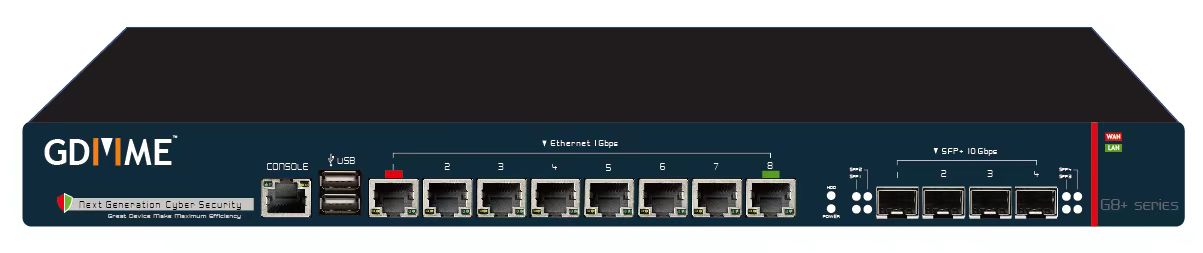
- GDMME perimeter filtering and controlled access
- CrowdSec threat intelligence and malicious-source policies
- Log collection, access records and rule-change histories
- Assess website and API protection against available modules; IP intelligence does not provide every WAF function

Responsibilities retained by the institution
- Asset inventories, vulnerability remediation and least privilege
- Third-party access and data flows
- Backup recovery, incident procedures and management accountability
- Regular testing and control evidence mapped to applicable requirements
Local data and intelligence exchange
Before deployment, review collection, storage, outbound fields and third-party processing of internal logs, KYC information and personal data. De-identification or locally hosted equipment does not by itself establish zero cross-border transfers, zero privacy risk or full compliance.
Build control evidence around regulatory status and activities
Financial IT compliance starts with institutional status, actual licensed activities and covered systems, followed by applicable HKMA and SFC requirements and designation notices under Cap. 653. Technologies such as GDMME can support some network controls, alongside asset inventories, access approvals, vendor management, backup recovery and incident procedures. Retain test and follow-up records for the institution's responsible personnel to assess compliance.
Information and references
When is this service suitable?
Common needs
- You need to explain existing IT and data-protection arrangements to management or customers.
- Internal reviews identify unclear permissions, logs, backups or supplier responsibilities.
- New systems or AI use prompt a review of data and operational access risks.
Which service do I need?
- Financial IT compliance support
Clarify the applicable scope and control evidence first.
- Business data backup
Discuss recovery testing and responsibilities.
- Business data loss prevention
Explore document and endpoint governance.
Prepare for an enquiry
- Business activities and relevant regulatory status.
- System types involved and current technical responsibilities.
- Issues, scope and timing of the intended review.
For an initial enquiry, describe the issue and equipment only. Do not submit passwords or verification codes. The team will arrange a secure channel for sensitive documents and incident records.
Enquire about financial IT control assessmentsCybersecurity and AI useExplore security planning, responsibilities and acceptance considerations
Cybersecurity · Safe AI use
Financial IT controls and security assessment: security planning priorities
「Financial IT compliance support」 includes the following security priorities; measures, tests and deliverables are specified in the proposal.
- Applicable scopeClarify the institution, activities and system scope, then identify required controls and evidence rather than treating all licences or requirements alike.
- Controls and recordsReview identities, permissions, networks, logs and data flows as needed, recording current arrangements and gaps.
- Responsibilities and recoveryDiscuss incidents, suppliers, outsourcing and recovery responsibilities, confirming tests, reviews and evidence retention.
AI considerationsFor AI or agents accessing financial data and workflows, separately assess data use, tools, human approvals and logs. A technical solution does not automatically establish overall compliance.
Planning and acceptance recordsSystem and control scope, gap and test records, incident and supplier responsibility lists.
You may also want to know
What can a smaller financial institution prepare before an IT enquiry?
Summarise business activities, systems, access management, backups and incident procedures, identifying where technical support or control records are needed. Applicability depends on institutional status and actual activities; outsourced support does not replace the institution's own responsibilities.
Do all SFC Type 1–9 firms have identical cybersecurity requirements?
Assess actual activities and systems. Specific activities such as internet trading have additional requirements; licence categories do not replace checking individual controls and evidence.